

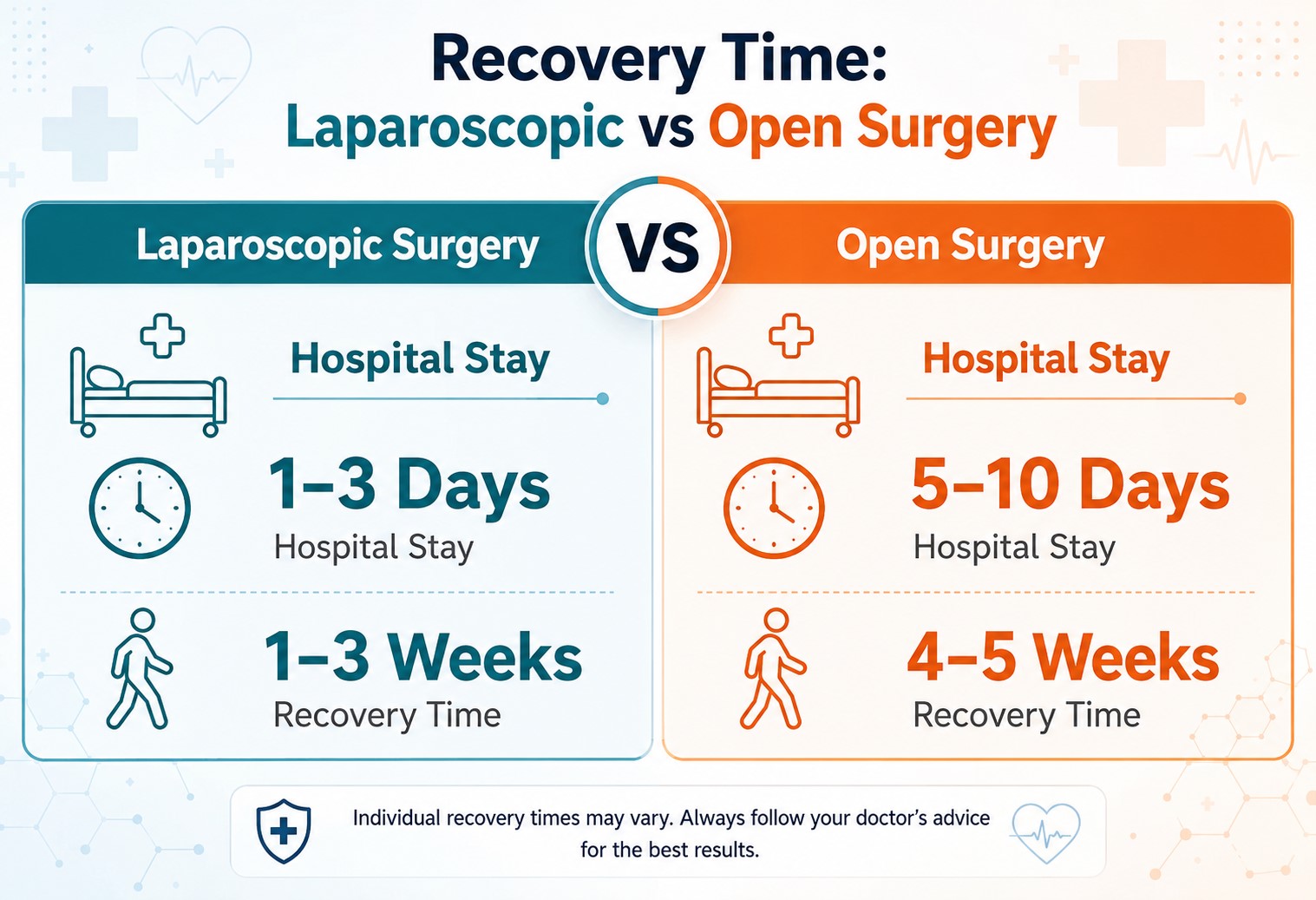
Understanding Open Surgery Recovery Time
Open surgery recovery time can vary greatly from one person to another. Unlike keyhole or minimally invasive procedures, open surgery usually involves a larger incision, deeper tissue healing and a longer period of rest before the body feels fully strong again. For many people, early recovery may take several weeks, while complete healing can take a few months, depending on the type of operation, age, general health and whether any complications occur.
The most important thing to remember is that recovery is not a race. Some patients feel better within a few weeks, but the inside of the body may still be healing. This is why doctors often give clear instructions about lifting, walking, wound care, diet, medicines and follow-up appointments. Following these instructions carefully can make recovery smoother and reduce the chance of setbacks.
What Is Open Surgery?
Open surgery is a traditional surgical method where the surgeon makes a larger cut to reach the area that needs treatment. It may be used for abdominal surgery, heart surgery, bowel surgery, gynaecological surgery, bone surgery or other major procedures. The exact recovery period depends on how complex the operation was and which part of the body was treated.
Why Open Surgery May Take Longer to Heal
Open surgery usually affects more layers of tissue than smaller procedures. The skin, muscles and deeper tissues may all need time to repair. Because of this, patients may experience pain, tiredness, swelling, bruising and limited movement during the first stage of healing.
Internal Healing Matters Too
Even if the outer wound looks closed, the deeper tissues may still be recovering. This is one reason why heavy lifting, intense exercise and sudden movements are usually restricted for a period after surgery.
Average Open Surgery Recovery Time
There is no single recovery time that fits everyone. However, many open surgery patients need around 4 to 6 weeks before returning to light daily routines. More demanding activities, such as heavy work, gym training or lifting, may take 8 to 12 weeks or longer. Some major operations can require several months before a person feels fully back to normal.
First Few Days After Surgery
The first few days are usually spent in hospital or under close medical supervision. During this period, nurses and doctors monitor pain, wound healing, breathing, movement, eating and passing urine or stool. Patients are often encouraged to sit up and walk gently as soon as it is safe.
Pain is normal during this stage, but it should be controlled with prescribed medication. Feeling sleepy, weak or emotional can also happen after anaesthesia and major surgery.
First 2 Weeks at Home
The first two weeks at home are often the most delicate part of recovery. The wound needs care, the body needs rest and energy levels may be low. Simple activities such as showering, walking around the house or preparing food may feel tiring.
During this stage, patients should avoid lifting heavy objects, driving unless approved, stretching the wound area or doing too much too soon. Short, gentle walks can help circulation and prevent stiffness, but rest is just as important.
Weeks 3 to 6
By weeks 3 to 6, many people notice steady improvement. Pain may reduce, walking may become easier and daily tasks may feel more manageable. However, tiredness can still come suddenly, especially after a busy day.
This is also the time when some people make the mistake of returning to normal life too quickly. Even if you feel better, your body may not be ready for heavy lifting, long working hours or intense exercise. Always follow your surgeon’s advice before increasing activity.
After 6 Weeks
After 6 weeks, many patients are able to return to a more normal routine, especially after uncomplicated surgery. However, full open surgery recovery time may still continue beyond this point. Some people need 3 months or more to rebuild strength, confidence and stamina.
Factors That Affect Open Surgery Recovery Time
Several things can affect how quickly you recover. These include the type of surgery, length of the incision, blood loss, infection risk, medical conditions and lifestyle habits.
Type of Surgery
A small open procedure may heal faster than major abdominal, chest or joint surgery. Operations involving the bowel, heart or major organs often require more careful recovery and longer follow-up.
Age and General Health
Younger and healthier patients may recover faster, but this is not always guaranteed. People with diabetes, heart disease, obesity, anaemia or immune problems may need more time to heal.
Nutrition and Hydration
Good nutrition supports wound healing. Protein-rich foods, fruits, vegetables, wholegrains and enough fluids can help the body repair tissue and regain strength. Poor nutrition may slow recovery and increase tiredness.
Smoking and Alcohol
Smoking can reduce oxygen supply to tissues and slow wound healing. Alcohol may interfere with medicines, sleep and recovery. Patients are usually advised to avoid smoking and limit alcohol before and after surgery.
How to Recover Well After Open Surgery
A smooth recovery depends on patience, care and consistency. Small daily habits can make a big difference.
Follow Medical Instructions
Take medicines as prescribed, attend follow-up appointments and keep your wound care routine exactly as advised. Do not stop antibiotics, pain relief or blood-thinning medicines unless your doctor tells you to.
Move Gently
Gentle movement helps blood flow and reduces the risk of stiffness or clots. Start with short walks and slowly increase distance when comfortable. Avoid sudden twisting, bending or pushing movements.
Do Not Overdo It
Feeling slightly better does not mean the body is fully healed. If pain increases, swelling worsens or tiredness becomes extreme after activity, it may be a sign that you need to slow down.
Care for the Wound
Keep the wound clean and dry according to your discharge instructions. Avoid scratching, rubbing or applying creams unless recommended. Watch for redness, heat, unusual discharge, bad smell or opening of the wound.
Eat for Healing
Choose meals that include lean protein, eggs, fish, chicken, lentils, beans, yoghurt, vegetables and wholegrains. Fibre and fluids can also help prevent constipation, which is common after surgery and pain medicines.
When to Seek Medical Help
You should contact a healthcare professional if you develop a high temperature, worsening pain, heavy bleeding, chest pain, breathing difficulty, severe swelling, continuous vomiting or signs of wound infection. You should also get advice if your wound opens, produces pus or becomes increasingly red and painful.
These symptoms do not always mean something serious, but they should not be ignored. Early treatment can prevent a small problem from becoming a major complication.
Returning to Work and Normal Activities
Returning to work depends on the type of job and the surgery performed. A desk-based worker may return sooner than someone who lifts, drives, stands for long hours or does physical labour. Some people return part-time at first to manage tiredness.
Driving should only resume when you can move comfortably, react quickly and are no longer affected by strong pain medication. Always check with your doctor and insurance provider if unsure.
Exercise should restart gradually. Walking is usually the safest first step, while running, weightlifting and intense training should wait until you are medically cleared.
Final Thoughts on Open Surgery Recovery Time
Open surgery recovery time is different for every patient, but most people improve gradually over weeks and months. The best recovery comes from balancing rest with gentle movement, eating well, caring for the wound and following medical advice.
Do not compare your healing with someone else’s. Your body has its own pace. With patience, proper care and regular follow-up, open surgery recovery can become safer, smoother and more comfortable.
