

Introduction
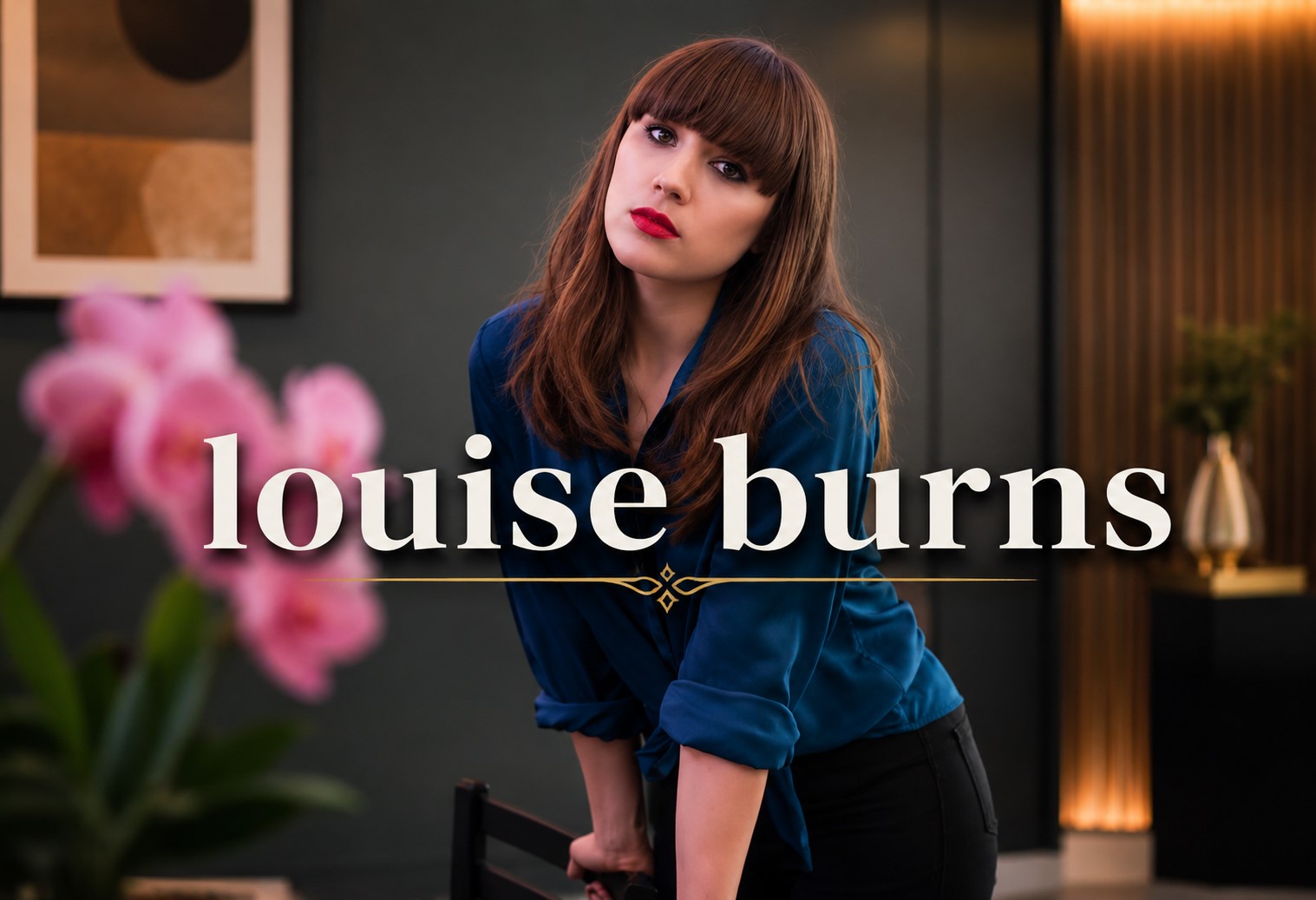
Louise Burns is a Canadian singer, songwriter, multi-instrumentalist and record producer whose career began before she reached her teenage years. She first gained attention as the bassist and co-vocalist of the pop-rock band Lillix, then created a respected solo career shaped by indie rock, dream pop, folk and electronic music.
Her journey covers very different parts of the music business: a major-label deal as a teenager, international touring, independent albums, radio work and production for other artists. Born Louise Claire Burns on 14 November 1985, she was 40 years old in July 2026. Her early musical work developed in Cranbrook, British Columbia, while her adult career became strongly connected with Vancouver.
Quick Facts About louise burns
| Full Name | Louise Claire Burns |
|---|---|
| Date of Birth | 14 November 1985 |
| Age | 40 years old |
| Birthplace | British Columbia, Canada |
| Nationality | Canadian |
| Profession | Singer, songwriter, musician and producer |
| Famous For | Former bassist and vocalist of Lillix |
| Music Genres | Indie rock, dream pop, folk and electronic pop |
| Instruments | Vocals, bass, guitar, piano and synthesiser |
| Solo Debut Album | Mellow Drama (2011) |
| Notable Recognition | Two-time Polaris Music Prize longlist artist |
| Social Media | @louiseburnsmusic |
Early Life and Musical Beginnings
Burns entered music at an age when most children were still discovering their favourite bands. At 11, while still in elementary school, she helped form a group called Tigerlily with Tasha-Ray Evin, Lacey-Lee Evin and Sierra Hills. The young musicians were based in Cranbrook and developed their skills by playing together, writing songs and learning how a band worked.
The group later changed its name to Lillix because another act was already using Tigerlily. Burns played bass and sang, giving her an important place in the band’s sound. Rehearsals, songwriting and live performance soon became the foundation of her professional life.
A Major-Label Deal at 15
In 2001, Lillix signed with Maverick Records, the label co-founded by Madonna. Burns was only 15. The deal brought professional recording sessions, industry management and work in Los Angeles. She and her bandmates also met Madonna during this period.
The experience created major opportunities, but it also exposed Burns to the pressure placed on young artists. Lillix entered the market during the rise of teenage pop-rock and pop-punk, when image and market trends carried great weight. These early lessons later shaped Burns’s desire for greater creative control.
Louise Burns and the Lillix Years
Lillix released its debut album, Falling Uphill, in 2003. The record included “It’s About Time”, a song co-written by Burns, her bandmates and the production team known as the Matrix. The track gained radio attention in the United States.
The band also recorded a version of the Romantics’ “What I Like About You”. The song featured in the film Freaky Friday and helped introduce Lillix to a wider audience.
The group followed with Inside the Hollow in 2006. By then, Burns had spent much of her youth recording, touring and promoting music. She had gained professional experience before many people her age had begun full-time employment.
After the second album, Burns left the band. Maverick Records also ceased operating as an independent label, bringing a difficult chapter of her career to a close.
Building a New Musical Identity
Leaving Lillix gave Burns the chance to rebuild her musical identity. She moved deeper into the Canadian independent scene and worked with acts including the Blue Violets and Gold & Youth. This period helped her move beyond the role of teenage bassist.
She became more active as a songwriter, vocalist, guitarist and studio musician. Independent music also allowed her to explore darker moods, different instruments and more personal writing. Instead of following a fixed commercial style, she began developing music that reflected her own tastes and experiences.
Solo Career and Artistic Development
Burns released her first solo album, Mellow Drama, in 2011 through Light Organ Records. Produced by Dave Ogilvie and Kevin James Maher, the album introduced her as a solo singer-songwriter with a more reflective sound than the bright pop-rock connected with Lillix.
Mellow Drama earned a place on the longlist for the 2011 Polaris Music Prize. The prize honours Canadian albums for artistic merit rather than commercial sales. This recognition confirmed that Burns’s new musical direction had value beyond memories of her teenage career.
The Midnight Mass and Songwriting Recognition
Her second solo album, The Midnight Mass, arrived in 2013. It was produced with Colin Stewart and Sune Rose Wagner of the Raveonettes. The record strengthened Burns’s reputation for combining memorable melodies with moody arrangements and emotionally direct writing.
One of its songs, “Emeralds Shatter”, received a nomination for the SOCAN Songwriting Prize in 2014. The honour placed attention on Burns’s ability as a writer, not only on her voice or earlier fame.
Her songs often connect sadness with strong pop hooks. This balance allows difficult emotions to remain clear without making the music feel distant or overly heavy.
Young Mopes and a Second Polaris Longlist
Burns released Young Mopes in 2017. She produced the album with Colin Stewart and Damian Taylor, showing that her studio skills had become central to her work. The record mixed indie rock, synthesizers and sharp pop writing while maintaining the emotional honesty found in her earlier albums.
Young Mopes gained another Polaris Music Prize longlist place in 2017. A second recognition showed that Burns had built a steady and respected body of work as a solo artist. She was no longer viewed mainly through her history with Lillix.
Portraits and Acceptance of the Past
The 2019 album Portraits marked another turning point. Burns returned to Los Angeles, the city where she had first entered the major-label business. This time, she came back with more control, experience and confidence.
She worked with collaborators including Damian Taylor, Stint and Jasper Leak. The process also introduced more co-writing into her solo work. Instead of treating her early career as something to hide, Burns used Portraits to accept both the positive and painful parts of that period.
The result was polished electronic pop with a mature emotional centre. The album connected her past and present without simply copying the sound of her youth.
Element and Musical Escapism
Burns released her fifth solo album, Element, on 21 April 2023. The nine-song record was created over two and a half years, with work taking place at home, in Vancouver and in Mexico.
Its writing began during the first months of the COVID-19 pandemic, when Burns faced an unusual break from travel and live work. She used songwriting to create a sense of movement and escape while remaining in one place.
The album combines electronic percussion, dreamlike synthesizers, guitar and atmospheric pop production. Much of it was co-produced with Jason Corbett at Jacknife Studios in Vancouver.
Burns also drew inspiration from time spent in Baja Sur. The sound of humpback whales was used within the production of “Play Pretend”. The project also includes her version of Depeche Mode’s “See You” and “Kids”, which she described as her first formal love song.
Work as a Producer and Collaborator
Burns’s career is not limited to her own albums. She has become a producer, writer and musician for other performers. Her production work includes projects connected with FIONN, Michaela Slinger, Molly Annelle and Rebecca Lappa.
She often contributes bass, synthesizers, backing vocals and arrangement ideas in addition to production. This makes her a creative partner rather than someone who only manages the technical side of recording.
Her background gives her a valuable mix of experience. She knows the demands of commercial pop, the freedom of independent music and the emotional pressure artists can face in the studio. This helps her support younger performers while protecting the individual character of their songs.
Radio, Writing and International Experience
From 2011 to 2017, Burns worked as a guest host and writer for CBC Radio 3. She also contributed music writing to CBC Music, the Talkhouse and the Westender. These roles allowed her to discuss music from the viewpoint of a working artist.
Her touring experience has included shows in North America, Europe, Japan and China. International travel began during her youth and continued through her independent career, giving her a broad understanding of audiences and live performance.
Personal Life and Motherhood
Burns keeps much of her private life away from detailed media attention. Verified details about her parents, siblings, formal education and relationship status are not widely available. She has chosen to place greater public attention on her music and professional work.
Her current social media description connects music with motherhood, showing that both now form part of her identity. She shares studio work, songs, production projects, performances and personal reflections.
Her dog Ruby also became part of the story behind Element. Ruby stayed beside her during studio sessions for “See You”, adding a personal detail to the album’s creative process.
Social Media Presence and Current Activities
Burns maintains an active presence under the name @louiseburnsmusic, especially on Instagram and Facebook. She uses these channels for music updates, live dates, studio clips, collaborations and thoughts about balancing creativity with motherhood.
She has also used newsletter-style writing to communicate more directly. This approach fits her wider career, which has often included thoughtful writing alongside music.
As of 2026, her professional focus includes songwriting, music production, collaboration and work connected with her own catalogue. Element remains her newest full-length solo album confirmed by her label.
Lesser-Known Facts About Louise Burns
Burns began playing professionally so young that she had already spent two decades in music by the age of 30. She can perform on bass, guitar, piano, organ, mandolin and ukulele, as well as sing.
She has worked as a band member, solo artist, touring musician, radio host, journalist and producer. Few artists move between so many different creative roles while maintaining a clear musical identity.
Another notable detail is her ability to revisit difficult experiences through art. Los Angeles first represented the excitement and pressure of her teenage career, yet she later returned there to make Portraits on her own terms. Her use of whale sounds on Element also shows her interest in building music from unexpected recordings.
Major Achievements and Musical Influence
The key achievements of Burns’s career include signing a major-label deal at 15, touring internationally, releasing five solo studio albums, earning two Polaris Music Prize longlist selections and receiving a SOCAN Songwriting Prize nomination.
She has also created a respected career as a producer and collaborator. Her work behind the scenes gives other performers access to the lessons she learned during more than two decades in music.
Her influence is best seen in her ability to survive change. She moved from teenage pop into independent music without copying her former sound. She then expanded into production and helped other artists shape their work.
Her career offers a strong example of creative growth, patience and learning from both success and disappointment.
FAQs
1. Who is Louise Burns?
Louise Burns is a Canadian singer, songlouise burnslouise burnswriter, multi-instrumentalist and music producer. She is best known as a former bassist and vocalist of the pop-rock band Lillix and for her successful solo music career.
2. How old is Louise Burns?
Louise Burns was born on 14 November 1985. She is 40 years old as of July 2026.
3. Why did Louise Burns become famous?
She first gained recognition as a member of Lillix, which signed with Maverick Records when she was a teenager. She later became known for solo albums such as Mellow Drama, Young Mopes, Portraits and Element.
4. Is Louise Burns married?
Louise Burns keeps her relationship and family life private. Reliable details about her marriage or partner have not been publicly confirmed.
5. What is Louise Burns doing now?
She continues to work as a singer, songwriter, producer and collaborator. She also supports other musicians through songwriting, studio production and instrumental contributions.
Conclusion
Louise Burns has spent most of her life making music, yet her career has never remained fixed in one style or role. She began as a child musician in Cranbrook, entered the major-label world with Lillix and later built a solo catalogue defined by thoughtful writing, strong melodies and changing production styles.
Her wider contribution now includes producing, collaboration, radio work and music writing. From Mellow Drama to Element, she has continued to turn personal change into creative work.
Her significance comes not from one brief period of fame, but from the steady way she has developed into a complete musician whose experience reaches from the stage to the studio.
